Insights
Leadership Presence: how are you showing up every day?

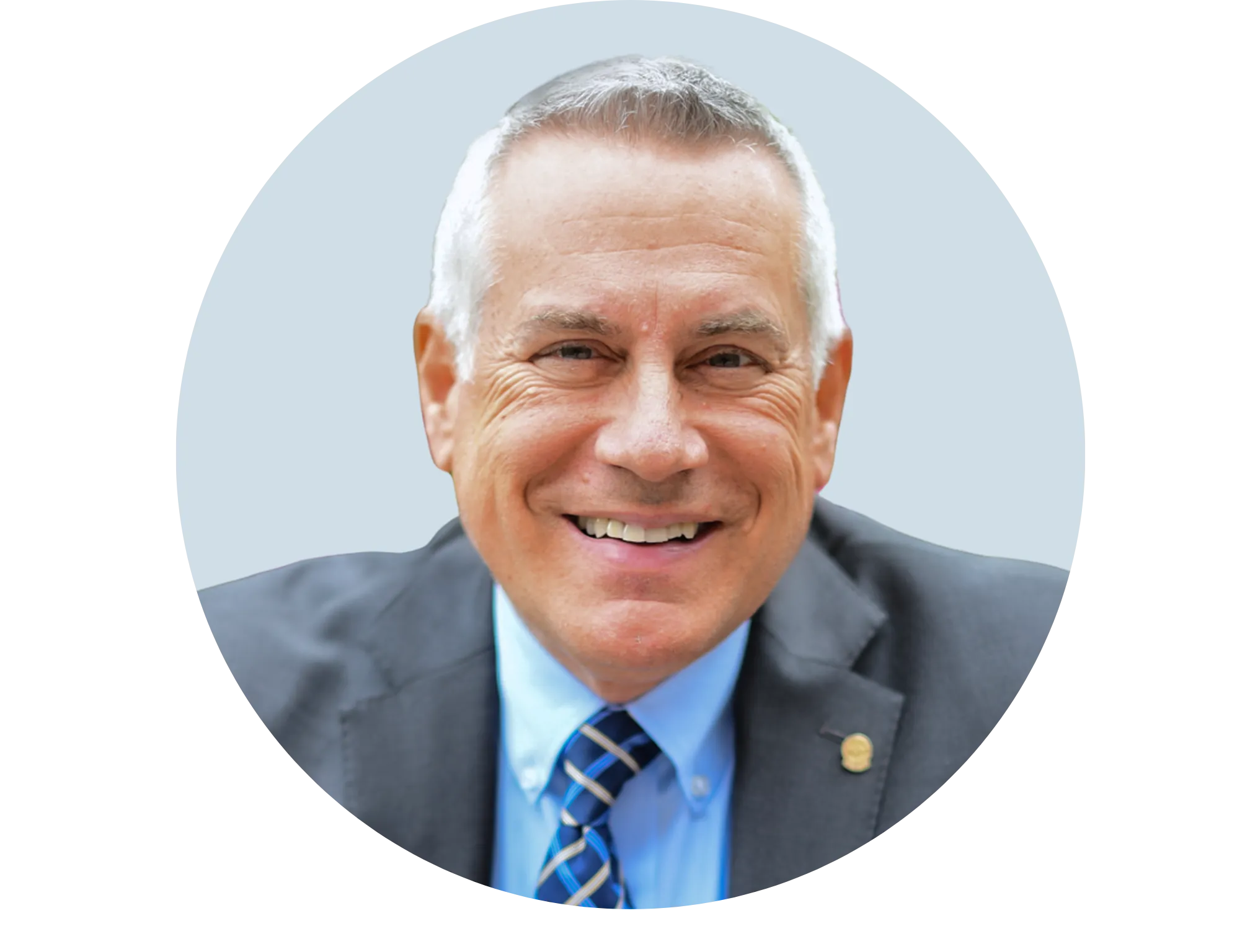

Authors: Deirdre Freiheit & Alain Doucet
Canadian nonprofit organizations require strong leadership presence now more than ever. With growing demands, limited resources, and a rapidly evolving landscape, leaders are expected to inspire confidence, provide clarity, and ensure stability, creating sustainable organizations with the financial and human capacity to carry out their missions and mandates. This kind of leadership is not always about what is said or done. It often comes down to how a leader shows up and what impact they have on others.

Leadership presence is the quality that shapes how others experience you. It is the energy you bring to a conversation, the steadiness you project during uncertainty, the clarity you communicate relative to your own and your organization’s values. Leaders must also be confident when making tough calls and be prepared to have courageous conversations, especially if it puts them out of their comfort zones. Case in point, Dr. Carol Stephenson defines executive presence as:
“A blend of confidence, authenticity, and the ability to inspire trust – leadership presence isn’t just how you carry yourself, but how you make others feel empowered and understood.”
— Dr. Carol Stephenson, O.C., Former Dean, Ivey Business School
What are the defining attributes and behaviours that lead to what we call leadership presence? Here are four:
- Emotional Intelligence & self-awareness: This is considered the "engine" of presence; understanding your own emotional triggers and possessing the ability to read a room (situational awareness). These are the keys to connecting with team members on a deeper level.
- Grace Under Fire (Composure): A defining attribute is the ability to remain grounded and calm during high-stress situations or crises. A calm demeanor and steady composure provide a psychological safety net for the team, allowing them to focus on solutions rather than panic.
- Communication Clarity & Conviction: Presence is signaled when a leader speaks with brevity, respect, and clear intent. It involves aligning verbal messages with non-verbal cues (posture, eye contact, body language) to build immediate credibility.
- Authenticity and Integrity: Effective presence stems from a leader’s core values. It is the "congruence" between what a leader believes, says, and does, which builds long-term trust and loyalty among collaborators.

Building on the first attribute, at Pourquoi Pas Coaching International, we are staunch proponents of the importance of self-awareness. Leadership presence begins with self-awareness. It involves knowing what you stand for, how others experience you, and how your presence affects those around you. From that foundation, presence grows. It is the ability to lead through discomfort, know your triggers, pause before reacting, and remain grounded even when the way forward is not clear. Coaching offers a proven way to build self-awareness and grow leadership presence.
Here are some practical tips for building positive presence:
- Practice “The Pause”: Before beginning a meeting or presentation, stand still and take a deep breath. Hold it for five seconds and slowly release it. Repeat several times. This grounds your voice and allows you time to think and speak with intention when you’re ready.
- Utilize "Warm Assertiveness": Combine firm, clear stances with interpersonal warmth. For example, during feedback sessions, maintain a friendly facial expression while being direct about performance expectations.
- Implement "Selective Silence": Intentionally hold back some of your own ideas during team discussions to create psychological space for others to contribute. It signals respect for their expertise, fosters shared ownership, and allows ideas and solutions to emerge that you may not have considered.
- Master "Curiosity-Led Leadership": Instead of providing answers immediately, ask open-ended questions like, "What is your perspective?"; “What do you need?”; “How can I help? “This builds rapport and shows you value the collective intelligence of your collaborators.
Presence does not require perfection. It calls for alignment. When a leader’s values match their words and actions, their presence becomes a source of stability for those around them. How does a leader know if he or she exudes a positive presence?
- Your team members emulate your behaviors and practices
- Your personality infuses the team and organizational culture
- The culture you co-create is embraced and modelled by others
- Your influence is felt even when absent
- You trust your team to perform positively and professionally, and to show up authentically

Leadership presence is not about being the loudest voice in the room. It is about being grounded, respectful, honest, kind, clear, and decisive. It is about being seen, yes, but also about being felt. The downstream effect is that organizations, and more broadly, their ecosystems and cultures are strengthened and positively modelled.
Are you interested in enhancing your leadership presence? Coaching can help. Connect with us at [email protected] to learn more.
About Us:
Pourquoi Pas Coaching International is a leadership development and coaching firm that works with executives across sectors in developing essential, modern leadership competencies that best serve their organizations, people and stakeholders.
Deirdre Freiheit is a senior executive and leadership coach with over 30 years of nonprofit experience. As a former CEO of three non-profit organizations at the national and community levels, she has demonstrated leadership in challenging circumstances. As an ACC and PCC certified level coach, Deirdre helps diverse clients, including C-suite executives and emerging leaders, unlock their potential through inquisitive, generative, and authentic conversations.
Alain Doucet is a senior executive and leadership coach with 40 years of senior management, marketing, business development and relationship-building experience that includes corporate, institutional and agency positions. His background in a variety of industry sectors and as an entrepreneur informs his coaching practice.
Originally published on LinkedIn on .