Insights
Empty Seats and Developing the Next Generation of Nonprofit Leaders
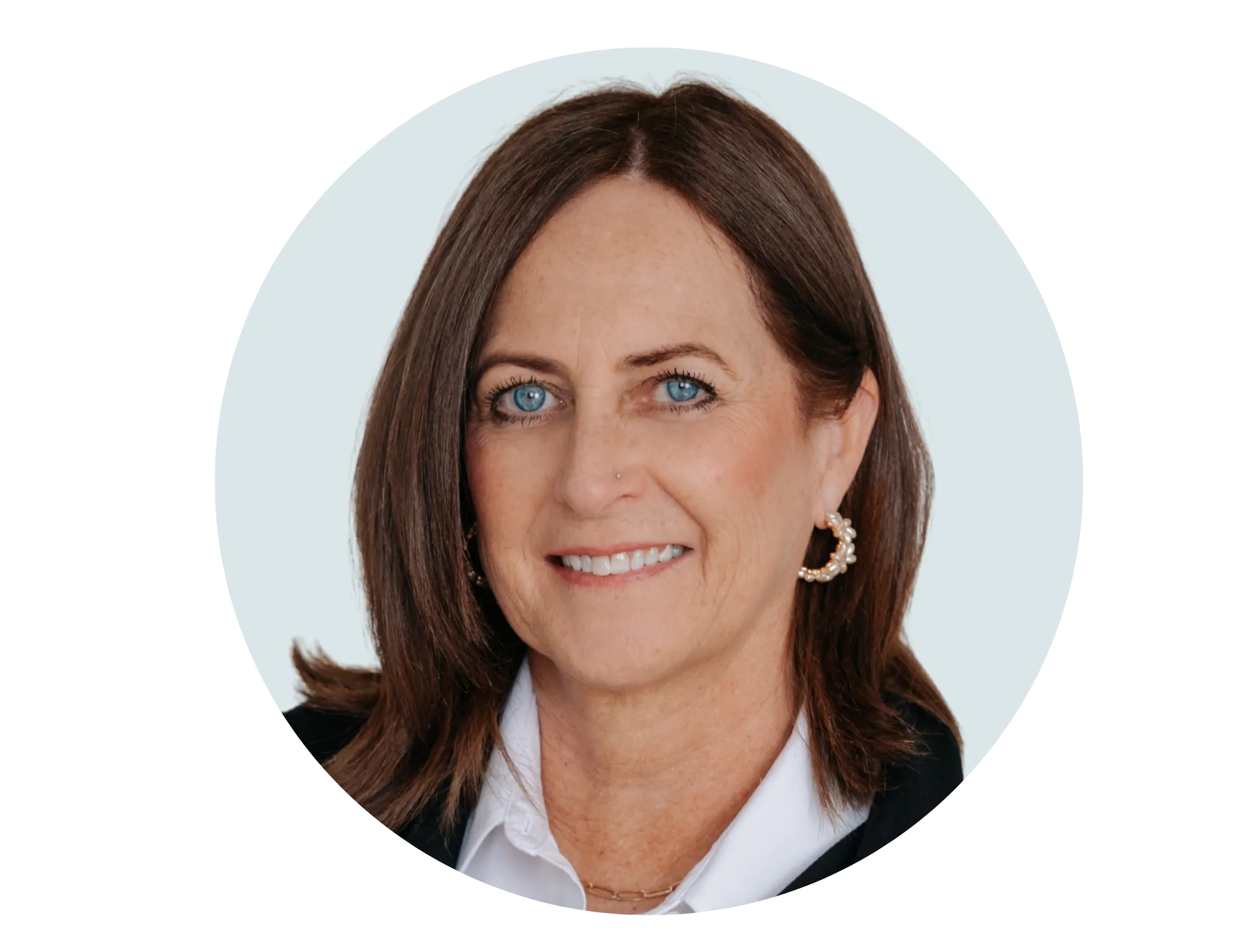
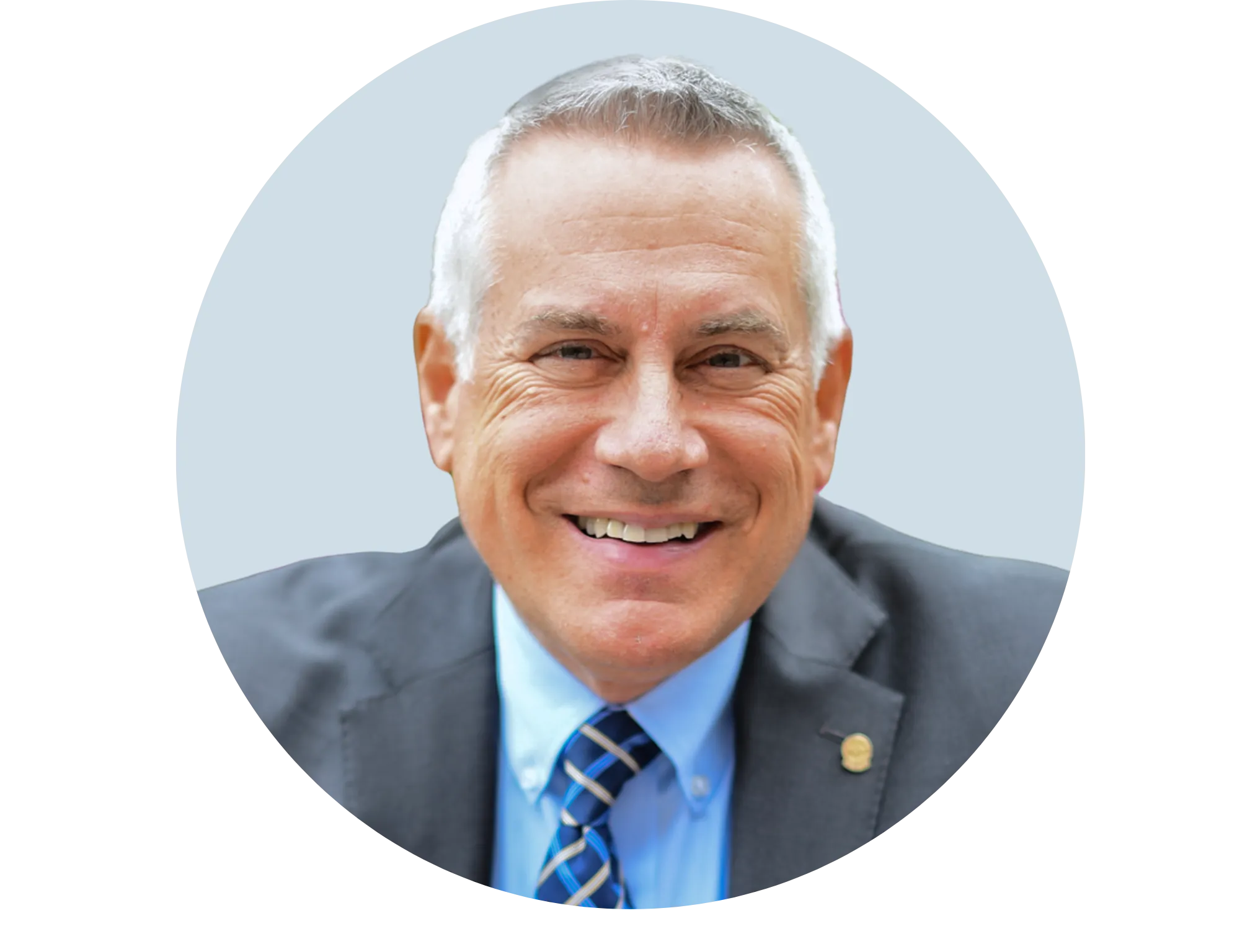

Authors: Deirdre Freiheit & Alain Doucet
Seasoned leaders in Canada’s nonprofit sector are retiring or preparing to transition from their roles. Many organizations are at a crossroads, not only about who will lead next, but whether those poised to lead are prepared to step into positions with the knowledge, confidence, soft and hard skills required for success. The leadership gap is widening. This is a consistent theme arising from our coaching conversations with nonprofit leaders across the country.
Dave Prowten, former CEO of JDRF/FRDJ Canada, wisely noted: “Having a strong team is critical to success today and tomorrow. Succession planning isn’t just about replacing a leader—it’s about building trust and developing emerging talent.”
Imagine Canada says: “Succession planning should be as routine as budget approvals and fundraising events. Normalizing it removes fear and builds resilience.”
Boards of Directors are responsible for ensuring succession plans are in place. Many avoid it. Some reasons include:
- Anxiety about offending a Founder who built the organization and who has trouble letting go of their “baby.”
- Concern about inexperience in succession planning, resulting in avoidance.
- Fear the current leadership will feel their performance is in question.
- Belief succession planning should begin only when an imminent change in leadership is required.
- Apprehension that resources are insufficient to attract top talent.
Many nonprofits focus on attracting external candidates. Others strongly believe in promoting from within. They struggle to identify and develop internal talent to be part of a sustainable succession plan. Leaders grapple with preparing people who are committed to the mission but lack experience to lead complex organizations.
Potential is often present within organizations; however, without intentional development strategies in place, it can go untapped. Departures, whether sudden or planned, create absences on the leadership bench that can hurt those who benefit from their services. Professional development and support for coaching, education and training are no longer nice to have. They must be woven into the long-term strategy of nonprofits that want to remain relevant, resilient and mission-focused through change.
Preparing future leaders does not always require large budgets or complex programs. It starts with creating opportunities for employees to grow, lead, and learn as part of their daily work.

Encouraging staff to undertake cross-functional projects, lead internal initiatives, or participate in decision-making processes with the support of a coach helps build confidence and leadership competencies needed to increase responsibilities over time. Stretch opportunities help emerging leaders learn before fully stepping into leadership roles.
John Neufeld, ICD.D, CEO of the House of Friendship in Waterloo Region, talks about the “leading yourself” approach, focusing on self-awareness, personal responsibility, and intentional growth. He quotes Andrew Bryant: “One of the key elements for self-leadership is responsibility. If you can take responsibility, you can take action. If you take action, you get results.”
Many people also experience imposter syndrome. Common among emerging leaders stepping into new territory, this can be particularly true for individuals from underrepresented groups who bring valuable perspectives but question whether their voices belong at the table. Addressing imposter syndrome is not only about building confidence, but about fostering environments where diverse leadership is recognized, supported, and valued.
Many leaders today were once given a chance by someone who believed in them. Belief, paired with meaningful development, fostered their growth. Organizations that want to thrive must offer opportunities to the next generation, which may require a mindset shift. Nonprofits must consider the rich benefits of developing leaders, whether internal or external.
Mimi Moore, B.A., LL.B., LL.M., ACC, CEO of Pourquoi Pas Coaching International says, “I believe in our young people. To ensure continuity, leaders of today must invest in the leaders of tomorrow.”
While promoting from within is not always the right decision, supporting and investing in people and their professional development is. Investing in a professional coach as part of their development strengthens succession plans, improves retention, and delivers results.
The leadership transitions we are currently seeing should not surprise anyone. They have long been on the horizon. Leadership development fosters fresh perspectives and ensures nonprofit Boards prioritize their most important role: hiring the right leaders. This contributes to the health and well being of nonprofit organizations and their greatest assets – their people. It builds a stronger and more sustainable sector at a most crucial time.
Now is the time to focus on professional development, invest in coaching, support employee growth, and make leadership readiness a strategic priority.
The sustainability of Canada’s nonprofit sector depends on it.
Reach out to the authors, both Senior Executive and Leadership Coaches, Deirdre Freiheit and Alain Doucet at [email protected] to discuss how Pourquoi Pas Coaching International can support you.
About Us:
Pourquoi Pas Coaching International is a leadership development and coaching firm that works with executives across sectors in developing essential, modern leadership competencies that best serve their organizations, people and stakeholders.
Deirdre Freiheit is a senior executive and leadership coach with over 30 years of nonprofit experience. As a former CEO of three non-profit organizations at the national and community levels, she has demonstrated leadership in challenging circumstances. As an ACC and PCC level coach, Deirdre helps diverse clients, including C-suite executives and emerging leaders, unlock their potential through inquisitive, generative, and authentic conversations.
Alain Doucet is a senior executive and leadership coach with 40 years of senior management, marketing, business development and relationship-building experience that includes corporate, institutional and agency positions. His background in a variety of industry sectors and as an entrepreneur informs his coaching practice.
Originally published on LinkedIn on .